Windows influence far more than natural light and curb appeal. They play a major role in indoor comfort, seasonal energy use, and overall utility costs. When windows are outdated, poorly sealed, or damaged, conditioned air can escape while outdoor temperatures affect indoor spaces more easily. According to Consumers Unified, about 25%-30% of residential heating and cooling energy use can be attributed to heat gained and lost through windows. That means even small inefficiencies can create noticeable changes in comfort and monthly expenses.
Energy loss through windows can happen in several ways, including air leakage around frames, poor insulation within older glass systems, and weakened seals caused by age or weather exposure. Homes in regions with hot summers, cold winters, or changing seasonal conditions may feel these effects even more.
This is why many homeowners turn to window contractors when energy performance becomes a concern. Professional evaluation helps identify issues that may not be obvious during everyday use, including air leaks, weakened seals, or aging materials.
Identifying Efficiency Problems Early
Many efficiency problems develop gradually. Drafts near window frames, rising utility bills, and rooms that feel too warm in summer or too cool in winter can all point to window-related issues. Condensation between panes may also signal seal failure, which reduces insulation performance.
Some homeowners also notice fading furniture, uneven temperatures between rooms, or persistent discomfort near larger windows. These signs often indicate insulation gaps or solar heat gain affecting indoor conditions.
Experienced window contractors know how to assess these warning signs in a practical way. They evaluate frame condition, glass performance, and installation quality to determine where energy loss is occurring. This helps homeowners better understand whether repairs, upgrades, or replacements may provide meaningful efficiency improvements.
Early identification can also help prevent related issues such as moisture intrusion, reduced comfort, and increased strain on heating and cooling systems.
Installing Energy-Efficient Window Solutions
Modern window technology offers several features designed to improve energy efficiency. Multi-pane glass, low-emissivity coatings, insulated frames, and gas-filled panes all help reduce heat transfer. These features support more stable indoor temperatures throughout changing seasons.
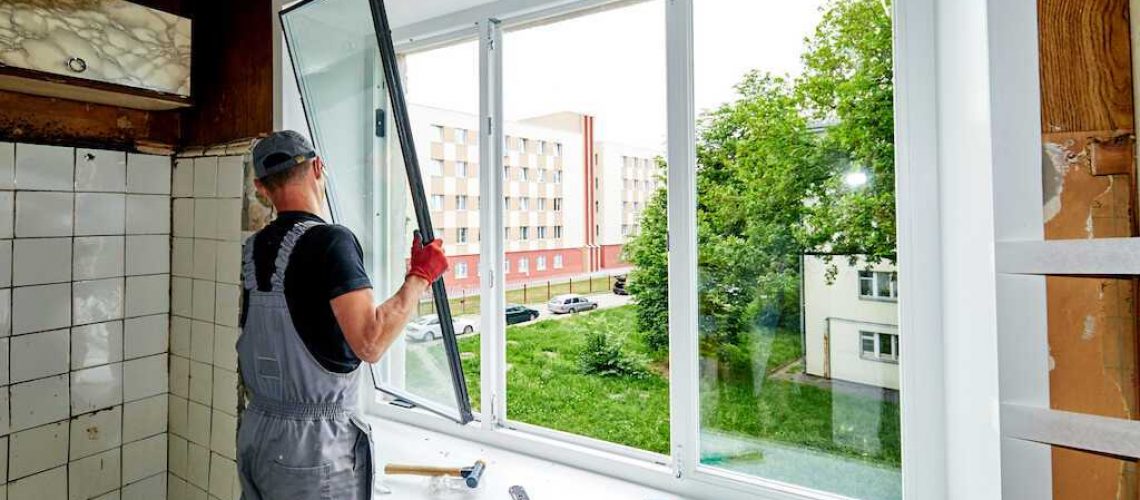
Skilled window contractors help match these options to the home’s structure, climate, and performance goals. Proper installation matters just as much as product quality. Even high-performance windows may underperform if installation leaves gaps, weak seals, or structural misalignment.
Professional installation supports a tighter building envelope and helps reduce unnecessary energy loss. This can improve comfort in frequently used spaces such as living rooms, bedrooms, and home offices. It may also support quieter interiors by reducing outdoor noise in busy neighborhoods.
Improving Year-Round Indoor Comfort
Energy efficiency is often discussed in terms of utility savings, but comfort is equally important. Well-performing windows help reduce drafts, minimize temperature swings, and create more consistent indoor conditions throughout the year.
During colder months, improved insulation helps retain warmth indoors. During warmer months, better-performing windows can reduce solar heat gain and help cooling systems work more efficiently. These benefits can make everyday living noticeably more comfortable.
Reliable window contractors focus on long-term performance, not just appearance. Their work helps create indoor environments that feel more balanced and comfortable regardless of weather changes outside.
Seasonal weather changes often highlight how much window performance affects daily comfort. Summer heat, winter cold, wind, and humidity all place demands on a home’s exterior. Well-performing windows help create stronger thermal protection during these shifts and support a more stable indoor environment throughout the year.
Supporting Long-Term Home Performance
Energy-efficient windows can contribute to broader home performance goals over time. Reduced strain on HVAC systems may support equipment longevity, while improved insulation can enhance daily comfort and help manage utility costs more effectively.
Working with knowledgeable professionals also helps ensure recommendations align with the home’s needs rather than one-size-fits-all solutions. Trusted window contractors consider factors such as home age, window condition, and regional climate when planning improvements.
In addition to lowering energy waste, updated windows can contribute to a more consistent living experience across the entire home. Bedrooms may stay more comfortable overnight, family spaces may feel more inviting during temperature extremes, and interior temperatures may remain steadier from morning through evening. These improvements can be especially valuable for households focused on comfort, efficiency, and long-term property value.
Homeowners looking to improve efficiency often benefit from professional guidance and quality workmanship. Freeman Exteriors helps homeowners make informed exterior improvement decisions with services designed to support comfort, performance, and long-term value.