|
Roof performance changes over time as materials age, weather patterns shift, and small issues become more noticeable. Professional roof estimates help identify visible wear, aging materials, drainage concerns, and storm-related damage before those issues become more expensive to address. In regions with changing seasons, roofing systems regularly face heat, rain, wind, and temperature swings that can accelerate wear.
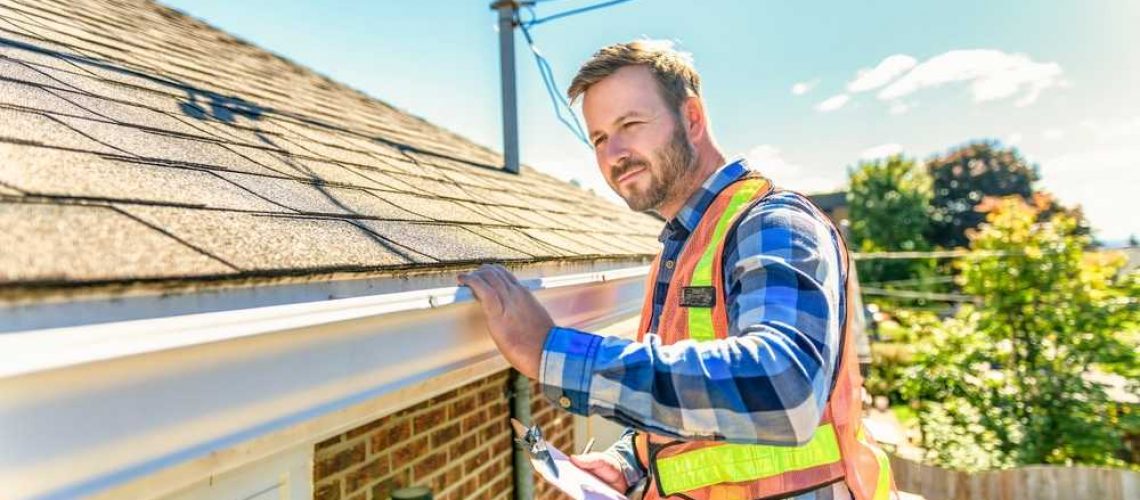
A thorough evaluation provides a clearer picture of a roof’s current condition and highlights concerns that may not be obvious from the ground. Missing shingles, worn flashing, soft spots, and moisture-related staining can all point to underlying issues that deserve professional attention. This process helps property owners make informed decisions about maintenance, repairs, or replacement timelines. It also creates a stronger foundation for budgeting future improvements with fewer surprises.
Property owners also benefit from understanding how different roofing materials influence performance over time. Asphalt shingles, metal systems, and other materials each have different lifespans and maintenance needs. Reviewing these factors during an assessment supports better planning for both current and future roofing needs.
Evaluating Potential Repair Costs
One of the most important benefits of roof estimates is cost visibility. Roofing projects can vary significantly depending on material type, roof size, structural complexity, and existing damage. An estimate helps break down the scope of work and explains what factors influence overall pricing.
For example, minor repairs involving flashing or isolated shingle damage may require a smaller investment than widespread moisture intrusion or structural deterioration. Estimates also account for labor, materials, disposal, underlayment needs, and project-specific requirements. This level of detail helps homeowners and property managers prepare financially while understanding where costs originate.
Professional assessments can also reveal whether a repair is practical or if replacement offers better long-term value. This guidance supports smarter planning and reduces uncertainty when roofing concerns arise. Clear documentation also makes it easier to compare service recommendations and understand the reasoning behind proposed work.
Consistent monitoring also supports longer roof performance by helping address smaller issues before they become major disruptions. With better information available early, property owners can approach roofing decisions with greater clarity and confidence. This proactive approach often reduces unexpected costs and supports more predictable planning throughout the life of the roofing system.
Identifying Hidden Risk Factors
Beyond pricing, roof estimates help uncover risks that may affect safety, performance, and future expenses. Water intrusion, inadequate ventilation, flashing failures, and storm damage can all contribute to larger roofing problems when left unresolved.
According to Verisk Analytics, Inc., roofs that are visibly in moderate to poor condition show approximately 60 percent higher loss costs than roofs in good or excellent condition. This finding highlights how roof condition can directly influence long-term property risks and financial exposure.
Identifying these issues early allows property owners to respond before damage spreads. Addressing concerns proactively often helps protect insulation, interior finishes, and structural components from additional complications. Even seemingly minor roofing concerns can lead to more extensive repairs if moisture continues entering vulnerable areas over time.
Hidden concerns can also affect energy efficiency and indoor comfort. Poor ventilation or moisture buildup may place additional stress on both roofing materials and surrounding structural components. Recognizing these conditions early helps reduce long-term complications.
Planning for Seasonal Roofing Demands
Seasonal changes can place considerable stress on roofing systems, especially in climates that experience storms, heavy rain, or fluctuating temperatures. Roof estimates provide useful insight when planning work around seasonal conditions and anticipated weather patterns.
Spring and summer often reveal damage caused by winter moisture, freezing temperatures, or debris accumulation. Fall inspections can help identify vulnerabilities before colder weather arrives. Timing matters because certain roofing conditions may worsen quickly when exposed to continued weather stress.
Routine evaluations support better scheduling and help ensure roofing work happens at the right time. This planning can improve efficiency and reduce the likelihood of emergency repairs during severe weather conditions. It can also help property owners prioritize urgent needs while preparing for future improvements in a more organized way.
Seasonal planning also supports better budgeting. When roofing concerns are identified before peak weather events, property owners have more flexibility in scheduling work and making informed financial decisions.
Making Informed Roofing Decisions
Reliable roof estimates provide more than pricing information. They offer valuable insight into condition, risk, and long-term planning. Understanding current roof performance, evaluating repair costs, identifying hidden concerns, and planning for seasonal demands all contribute to better roofing decisions.
When roofing questions arise, working with experienced professionals helps create a clearer path forward. Professional estimates support informed decisions by improving visibility into costs and potential concerns before issues escalate. Freeman Exteriors provides roofing services backed by professional evaluations and informed recommendations, helping property owners better understand roofing costs, risks, and next steps with confidence. |